

Summary
Klaviyo is positioned as a CRM and omnichannel marketing platform focused on B2C brands and ecommerce businesses that want to centralize marketing, service, analytics, and customer data. It supports a variety of channels — for example, email, SMS, WhatsApp, push notifications and social — and provides a centralized interface for coordinating campaigns and managing customer interactions across those channels.
The product includes AI-assisted capabilities, such as tools for generating campaign content from prompts and agents that help automate marketing tasks. These features are designed to speed up campaign creation and lower the expertise required to produce consistent messaging, though results will depend on how teams configure and review the output. Klaviyo also offers features to automate portions of customer support and product recommendations; these can help with responsiveness and routine inquiries but typically work best when combined with human oversight.
Klaviyo publishes pricing and plan details on its website. There is a free entry option intended for very small audiences with limits on profiles, message sends, and mobile credits; paid plans increase those limits and add higher-touch support. Support access and service behavior can vary by plan — for example, live or email support tiers and send limits may change after an initial period, and accounts may be subject to sending or access restrictions if usage exceeds plan limits. Prospective buyers should review current plan terms and support levels on Klaviyo’s site to confirm what’s included.
Overall, Klaviyo is a fit for teams that want a single, marketing-focused platform with built-in data and automation features. Small teams may appreciate the entry-level option, while larger merchants should evaluate plan limits, support terms, and how the platform’s automation fits their workflows before committing.

Product Overview & Key Takeaways
Klaviyo is a customer data and omnichannel marketing platform focused on B2C use cases, especially ecommerce. It centralizes customer profiles, messaging, and analytics to support email, SMS, push and social channel marketing. The platform is positioned to serve mid-market and enterprise ecommerce brands, while also being used by smaller businesses and niche verticals that need customer-level marketing and personalization.
Core Features and Capabilities
Klaviyo includes several features that use machine learning and automation to speed up common marketing tasks:
- Composer: an AI-assisted tool for generating campaign copy and creative drafts from prompts, with options to align outputs to brand tone.
- Marketing Agent: assists with campaign and form setup by suggesting assets and flows based on site behavior and configured data.
- Customer-facing agents: features that can automate certain customer interactions and suggest product recommendations to support service and sales workflows.
These capabilities are intended to reduce repetitive work and help teams iterate faster, though outcomes depend on how the tools are configured and the quality of underlying data.
Integration and Customization
Klaviyo integrates with a broad range of ecommerce and marketing tools and supports custom data ingestion via APIs and webhooks. Its data features enable segmentation, event-based triggers, and cross-channel analytics. The platform offers dashboards and reporting to review campaign performance and customer behaviors, with the level of detail and latency varying by implementation and plan.
Key Takeaways for Potential Users
- Omnichannel reach: Klaviyo supports coordinated messaging across multiple channels, which helps maintain consistent customer experiences when configured for those channels.
- AI and automation: Built-in AI/automation features can speed campaign creation and operational tasks, but they typically require human oversight and good data hygiene to be effective.
- Integration flexibility: The platform connects to many third-party systems and can be extended through APIs, making it adaptable to different tech stacks.
- Analytics and segmentation: Klaviyo’s data capabilities support audience segmentation and performance analysis, enabling more personalized messaging when set up and maintained properly.
- Fit and scale: While common among ecommerce and consumer brands, Klaviyo’s feature set can also serve smaller teams and niche industries, with scalability depending on implementation effort and resources.
Implementation Considerations
Adopters should evaluate how Klaviyo will fit into their existing stack and plan for integration work, data mapping, and QA. Teams with complex or bespoke systems may need engineering support for initial setup and ongoing maintenance. Additionally, to get reliable results from the platform’s automation and AI features, organizations should invest in data quality, segmentation strategy, and human review processes.
- Ease of use8.2
- Automation depth8.7
- Integrations9.1
- Pricing value7.4
- Support docs8.8
Verdict at a Glance
Klaviyo is a strong fit for B2C brands—especially ecommerce businesses—and for marketing teams that want to incorporate AI-assisted content and automation into customer engagement. It emphasizes cross-channel marketing (email, SMS, and social), campaign and automation tooling, and analytics that help teams coordinate marketing and support activities from a single platform.
For technical teams and partners, Klaviyo typically offers a broad ecosystem of integrations and API capabilities that make it possible to connect the platform to existing commerce and data stacks. That flexibility can be useful for businesses with custom workflows or those that need to centralize data across tools. Built-in AI features aim to streamline campaign creation and automate routine support and sales interactions, which can reduce manual effort for some teams.
Key tradeoffs to consider:
- Entry-level plans provide a way to evaluate the product, but they usually include limits on contacts, sends, and support; businesses with growing audiences or heavier messaging needs may need to move to a paid tier to access higher usage limits and expanded support.
- Fully leveraging Klaviyo’s richer capabilities often requires time for setup, segmentation, and optimization. Smaller teams or organizations migrating from simpler tools should plan for a learning and onboarding period.
- While integrations and APIs increase flexibility, implementing advanced, custom workflows may require developer resources.
In short, Klaviyo is well suited to organizations that prioritize data-driven, multi-channel marketing and are prepared to invest in setup and optimization. Teams looking for a lightweight, low-effort tool may find its depth and configurability more than they need, whereas brands aiming for tighter personalization and automation will likely find the platform’s feature set valuable.

Core Use Cases & Who It’s For
Klaviyo is positioned as a B2C-focused CRM and marketing platform with capabilities that support a range of ecommerce and direct-to-consumer use cases. Below are the core scenarios where it typically fits well and situations where teams may want to consider alternatives.
Best for
-
On‑brand campaign creation for ecommerce and retail:
Klaviyo includes tools to streamline campaign creation, including templating and AI‑assisted composition features that can help maintain a consistent brand voice across emails and other messages. This can be especially useful for small and mid‑sized retailers that need to produce frequent campaigns without a large creative team. -
Automating common support and sales interactions:
The platform offers automation and conversational features that can handle routine customer questions and surface product recommendations. When configured well, these automations can reduce repetitive work for human agents and improve response consistency, though human oversight is generally still recommended for complex issues. -
Omnichannel engagement for multi‑touch strategies:
Klaviyo supports coordinating campaigns across email and SMS and can integrate with additional channels (push, social platforms, and messaging apps) depending on an account’s setup. This makes it a reasonable option for organizations that want to run coordinated, cross‑channel campaigns from a central system. -
Data‑driven personalization and analytics:
The platform combines customer data and messaging tools to enable segmentation and personalization based on behavior and attributes. Teams that prioritize testing, segmentation, and personalized journeys tend to get the most value from these capabilities. -
Email marketing for startups and small businesses:
Klaviyo’s drag‑and‑drop editors and templates lower the barrier to building professional email campaigns. Its entry‑level plan allows smaller teams to try the platform and run basic campaigns before committing to a paid tier. -
Automation and advanced segmentation for scaling businesses:
As companies grow, Klaviyo’s automated flows and segmentation features can help maintain personalized communications at scale, allowing marketers to trigger messages based on lifecycle events and behaviors.
Not Ideal If
-
You need very high‑volume messaging on a tight budget:
While Klaviyo offers a free tier, free and lower‑cost plans typically include limits on sends and profile counts. Organizations that require very large volumes of email or messaging at low cost should compare pricing and limits carefully and consider alternatives with different billing models. -
Your business is primarily B2B or account‑based:
Klaviyo is optimized for B2C workflows and consumer lifecycle marketing. Companies focused on long, account‑based sales cycles or B2B CRM functionality may find platforms designed for enterprise sales and ABM workflows a better fit. -
You require extensive, ongoing hands‑on vendor support:
Support levels vary by plan; some entry tiers emphasize self‑service resources and community support, while higher tiers include more direct assistance. Teams that expect dedicated, ongoing vendor support should confirm support offerings for the plan they’re considering. -
Your team has very limited technical resources and needs turnkey setup:
Klaviyo offers many integrations and customization options, which can require technical configuration for full value. Organizations seeking a highly guided, low‑technical‑effort onboarding experience may prefer vendors that include more hand‑holding or managed onboarding services.
In short, Klaviyo is generally well suited to B2C brands—particularly ecommerce retailers—looking for a platform that combines email/SMS campaign tools, automation, and data‑driven personalization. However, businesses with B2B sales models, strict low‑cost high‑volume needs, or expectations of extensive vendor support should evaluate how well Klaviyo’s plans and integrations match their requirements.
Features & Capabilities
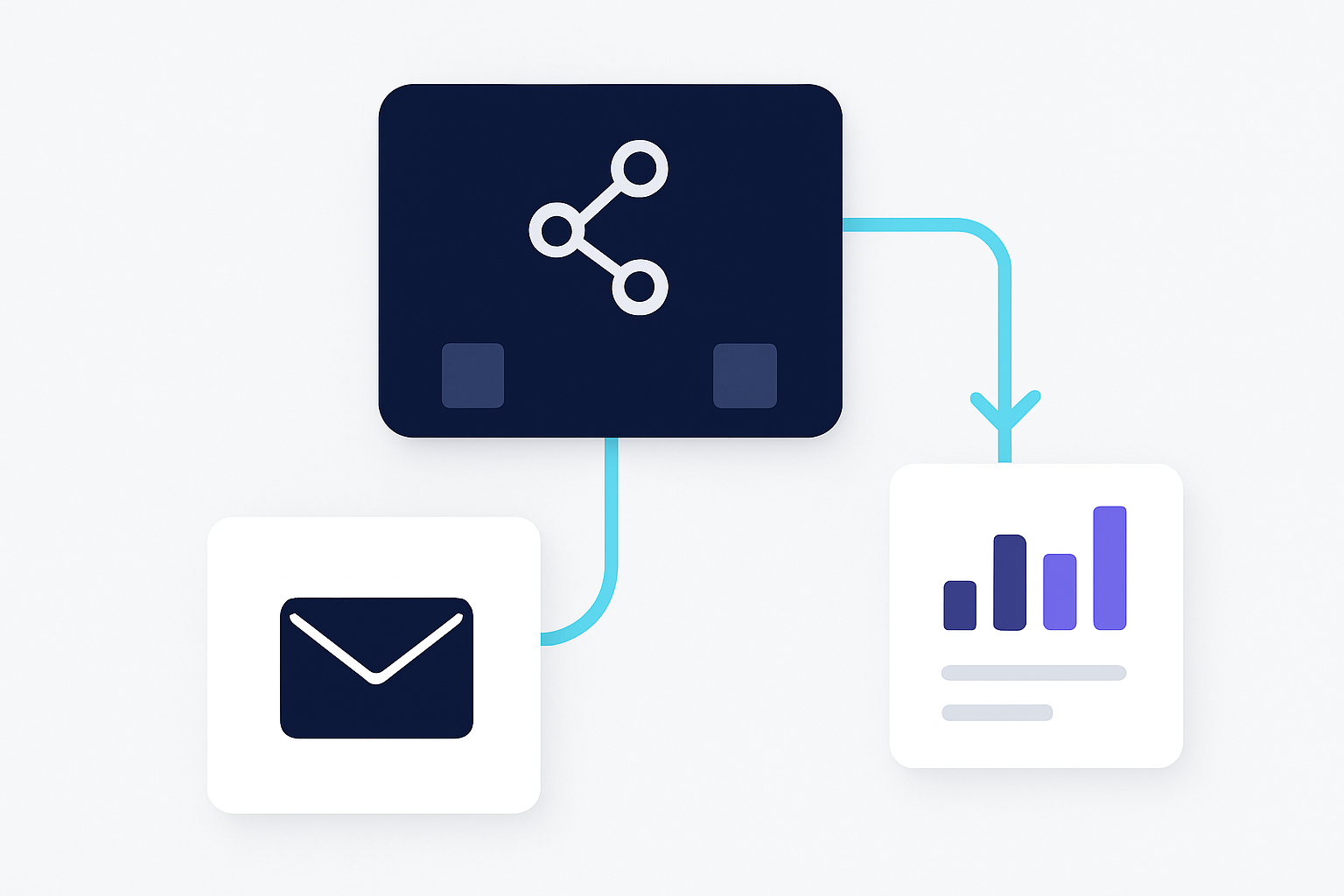
Klaviyo is positioned as a B2C CRM and omnichannel marketing platform that combines messaging, customer data, and analytics. Below are its primary capabilities, organized by functional area, with notes on typical use and implementation considerations.
Composer
Composer is an AI-assisted content tool for drafting campaign materials and marketing copy from a brief prompt. In practice, users can provide basic campaign parameters and receive a draft campaign outline or content that adheres to provided brand cues. The interface typically presents an editable preview so teams can refine messaging, imagery, and cadence before publishing. This can speed up content creation for smaller teams, but users should plan to review and adjust outputs to ensure alignment with brand voice and campaign goals.
Marketing Agent
The Marketing Agent is an AI-driven assistant designed to accelerate campaign setup by analyzing site and account data to suggest flows, forms, and campaign elements. It can generate starting points—email sequences, form configurations, or recommended automations—that teams can customize. This can shorten time-to-launch for common ecommerce use cases, though recommended assets should be validated against business objectives and customer experience requirements.
Customer Agent
The Customer Agent provides AI-powered assistance for support and sales interactions, helping to answer routine queries and suggest product recommendations. It is useful for automating common, repeatable tasks and can reduce manual workload, but more complex, sensitive, or escalated issues generally still benefit from human oversight. Integration with ticketing and conversational interfaces enables tracking and handoff, depending on how the feature is configured.
Omnichannel Marketing
Klaviyo supports messaging across multiple channels—email, SMS, push, and social channels, among others—so teams can coordinate touchpoints from a central workspace. Some channels may be available via native integrations while others may require connectors or partner services. A unified view of campaigns helps with sequencing and cross-channel timing, but effective execution requires careful strategy to avoid over-communicating to customers.
Klaviyo Data Platform
The Klaviyo Data Platform centralizes customer profiles, event data, segmentation, and analytics. It enables creation of dynamic segments based on behavioral and transactional signals and provides reporting that ties campaign activity to engagement and revenue metrics. Leveraging these capabilities effectively typically requires familiarity with the available data model and investment in training or governance to ensure segments and attribution are accurate.
Apps & Integrations
Klaviyo connects with a wide ecosystem of third-party tools—ecommerce platforms, payments, analytics, and CRMs—and exposes APIs and developer tools for custom integrations. The integrations directory and developer documentation usually guide setup. The practical success of integrations depends on system compatibility and the technical resources available to implement and maintain them.
Email Editor and Templates
Klaviyo includes a drag-and-drop email editor and a library of template starting points to help users build campaigns without deep design expertise. The editor supports layout customization, assets, and content blocks, enabling teams to produce professional-looking emails while still allowing for brand-specific customization. For complex creative needs, teams may combine Klaviyo with external design workflows or developer resources.
AI Subject Line Generator
An AI-assisted subject line tool offers suggestions intended to improve open rates by drawing on campaign context and past performance signals. Users can iterate on suggestions and run A/B tests to determine which approaches resonate with their audience. Testing remains important, as performance can vary by audience segment and offer.
Analytics and Reporting
Built-in dashboards surface campaign performance, engagement metrics, and revenue-related attribution reports. Reporting interfaces commonly allow customization and filtering to inspect specific cohorts, timeframes, or channels. Teams should expect to interpret these reports with an understanding of attribution models and may want to supplement with additional analytics expertise for deeper analysis.
Segmentation and List Growth
Klaviyo supports rule-based and behavior-driven segmentation, and dynamic lists that update as customer data changes. Effective use of segmentation allows more targeted messaging and can improve engagement, but it requires clear data hygiene and ongoing review of segment criteria to remain effective as customer behavior evolves.
Customer Hub and Helpdesk
Klaviyo offers customer-facing portal features and basic helpdesk capabilities—such as ticketing workflows, shared inboxes, and agent collaboration tools—to support order lookups and self-service. These features can streamline common customer interactions when integrated with order and profile data, but teams should ensure the helpdesk is configured to fit existing customer-service processes and escalation paths.
In summary, Klaviyo combines messaging, customer data, and automation tools intended for B2C and ecommerce use cases. Its AI-assisted features and integration options can speed up common marketing tasks, but realizing their value typically requires review, configuration, and ongoing optimization by teams familiar with their data and customer needs.
Pricing & Plans
Klaviyo uses a tiered pricing approach intended to serve a range of business sizes and marketing needs. The vendor publishes plan details on its website so prospective customers can compare limits and features and choose a level that matches current requirements while leaving room to scale.
Free Plan
Klaviyo offers an entry-level free tier aimed at small businesses and startups. This tier provides a modest allocation of active profiles, a limited number of monthly email sends, and a set of mobile messaging credits for SMS or similar channels. It also includes core features for managing contacts and basic reporting, which makes it useful for teams that want to trial the platform without an immediate financial commitment.
Support on the free tier is time-limited; after an initial period users generally rely on self-service resources such as the Help Center, online training materials, and community forums. If usage grows beyond the free-tier limits, organizations may encounter sending restrictions or will need to upgrade to a paid plan or wait for limits to reset, so monitoring usage is important to avoid interruptions.
Paid Plans
For organizations that need higher sending volumes, more advanced marketing functionality, or priority support, Klaviyo provides several paid tiers. These paid plans typically increase contact and send limits and add capabilities such as more granular segmentation, automation and workflow features, additional integrations, and expanded reporting. Larger customers can usually access enterprise-level options or professional services for custom needs and onboarding assistance.
Klaviyo also offers additional paid services around data and analytics; availability, scope, and pricing of those services vary, and prospective buyers should confirm details directly with Klaviyo or a sales representative.
Additional Considerations
Klaviyo emphasizes hands-on evaluation through sign-up options and platform demos, which can help teams verify feature fit and implementation complexity before committing to a paid tier. Because plan names, limits, and pricing can change, businesses should consult Klaviyo’s official pricing page or speak with sales for the most current information and to identify the plan that best aligns with their marketing objectives and scale.
Pros & Cons
When evaluating Klaviyo as a B2C CRM and omnichannel marketing platform, it's important to balance practical strengths and limitations. The points below aim to highlight where Klaviyo tends to help teams and where you may encounter constraints.
Pros
-
Large, Established User Base
Klaviyo is widely adopted by many ecommerce and retail brands worldwide, which suggests a mature product with a broad set of real-world use cases and community knowledge. -
AI-assisted Marketing and Support Tools
The platform includes AI-assisted features or “agents” designed to help with tasks like drafting campaigns, creating common flows and forms, recommending content, and assisting with routine customer responses. These tools can reduce manual work and speed up iteration, depending on how you use them. -
Broad Integrations and Developer APIs
Klaviyo offers hundreds of app integrations and developer APIs, which provides flexibility to connect to common ecommerce platforms, analytics tools, and custom systems. This makes it easier to adapt Klaviyo to varied tech stacks or build custom workflows. -
Omnichannel Capabilities
The platform supports multiple customer touchpoints — for example, email and SMS natively and connections to other messaging and social channels — enabling coordinated campaigns across channels from a single interface. -
Feature-rich Free Tier for Evaluation
The free tier includes access to core features such as automations, segmentation, basic integrations, and built-in analytics and attribution. This can be useful for small teams or for evaluating the product before committing to a paid plan. -
Customer Hub and Basic Helpdesk Functionality
Klaviyo provides a Customer Hub and some basic helpdesk-style features (for example, order tracking and simplified repeat-purchase flows) that can support customer self-service and straightforward support tasks.
Cons
-
Restrictive Free-tier Limits for Growing Lists
The free plan imposes limits on contact profiles and monthly sends that can quickly constrain teams as their audiences grow, making upgrades likely necessary for expanding programs. -
Limited Mobile Messaging Allowance on Free Tier
Mobile messaging (SMS/OTT) allowances on the free tier are modest, which can limit experimentation with SMS-driven campaigns unless you move to a paid plan. -
Time-limited Direct Support for New Users
Direct email or account-level support is often primarily available during an initial onboarding period; after that, users commonly rely more on documentation, community resources, and self-service tools. -
Potential for Sending Pauses When Limits Are Exceeded
If usage thresholds are exceeded, sending capabilities can be paused until the billing cycle resets or an account is upgraded, which can interrupt campaigns if not monitored. -
Support Availability Varies by Region and Plan
Live chat, virtual assistance, and response times can differ depending on your plan level and geographic region, which may produce inconsistent support experiences for distributed teams.
Summary: Klaviyo is a feature-rich option for ecommerce-focused marketing teams that need integrated CRM and omnichannel messaging. However, its free-tier limits and the structure of ongoing support are important factors to match against your team size, growth trajectory, and support needs before committing.
Integrations & Ecosystem
Klaviyo’s value as a B2C CRM and omnichannel marketing platform is tightly linked to its integrations and ecosystem. The platform connects to a large number of third‑party tools, enabling teams to assemble a more unified tech stack and reduce manual data movement. That connectivity can be useful for businesses that want to consolidate customer data and coordinate marketing across channels.
Apps & Integrations
Klaviyo offers integrations across categories such as CRM, advertising, ecommerce, and data warehousing. These integrations may be offered as native connectors or through prebuilt integrations and can be selected to fit particular workflows. For example, linking Klaviyo with CRM systems (e.g., Salesforce or HubSpot) can help centralize contact and profile data, while connecting to advertising platforms (e.g., Facebook/Meta or Google Ads) allows marketers to act on customer segments in paid channels.
The platform’s ecommerce integrations are commonly used to ingest transactional and behavioral data from platforms like Shopify, Magento, and WooCommerce. That data is frequently used to trigger automated workflows — for example, cart‑abandonment reminders or post‑purchase follow‑ups — and to personalize messaging based on purchase history. The exact capabilities and depth of data available depend on the specific ecommerce integration and how it’s configured.
Klaviyo APIs
For custom needs, Klaviyo provides APIs, webhooks, and developer tools intended to support bespoke integrations and automation. Documentation and developer resources typically cover endpoints, examples, and guidance on rate limiting and error handling. Klaviyo also publishes resources such as Postman collections and tutorial videos to help with testing and implementation.
These developer tools increase flexibility but usually require technical skill to implement and maintain. Organizations should plan for developer time or external expertise when building complex or mission‑critical integrations.
Unifying Your Tech Stack
Using Klaviyo as a central marketing platform can help reduce data silos by consolidating customer interactions and marketing activity in one place. That centralization can simplify reporting and make it easier to build customer segments and measure campaign behavior across channels.
Some teams integrate Klaviyo with a data warehouse (for example, Snowflake) to export customer and event data for advanced analytics. Those workflows can support deeper analysis of customer behavior and campaign performance but may also require data engineering resources and careful attention to synchronization and governance.
Educational Resources and Support
Klaviyo supports its ecosystem with a range of educational content. The Klaviyo Academy and Help Center provide guides, courses, and reference articles on integrations, flows, audience management, and related topics. These resources can accelerate implementation for teams that prefer self‑service learning, while dedicated support or professional services may be appropriate for more complex projects.
Overall, Klaviyo’s broad set of integrations and developer tools suit organizations that want to link marketing, ecommerce, and analytics systems. Prospective users should evaluate their technical capacity and data strategy to determine how much setup and maintenance the integrations will require.
Onboarding, UX & Support
Klaviyo’s onboarding and user experience are aimed at brands that sell directly to consumers, with flows and documentation intended to shorten setup and help teams get campaigns running. The vendor also offers AI-branded features (K:AI) that are positioned to assist both marketing and customer-service workflows.
Onboarding Experience
Klaviyo’s onboarding is generally guided and focused on the typical marketing essentials: connecting data sources, creating customer profiles, setting up email campaigns and basic integrations. The company offers a free tier with limited capabilities that allow smaller teams to test the platform before committing to a paid plan; the exact limits and feature availability depend on the current plan terms. New customers are usually provided an initial window of direct support during onboarding, after which self-service resources become the primary route for troubleshooting.
User Interface and Experience
The interface is organized around campaigns, flows, audiences and analytics, with an emphasis on visual workflows and a drag-and-drop email editor to simplify campaign creation. Users frequently find the dashboard and segmentation tools accessible, though teams with complex requirements will still need to spend time learning how Klaviyo models data and triggers. Built-in help and inline guidance are supplemented by the Help Center, which documents topics such as integrations, flows, forms and deliverability best practices.
Support and Resources
Support levels vary by plan. In addition to any initial direct support offered to new accounts, Klaviyo maintains a Help Center, training materials through Klaviyo Academy, and an active community forum where users exchange tips and solutions. There are also live trainings and office hours at times; availability can change, so teams that rely on hands-on support should confirm current offerings when evaluating the product.
For developers, Klaviyo publishes technical documentation that includes API references and example request collections; these resources can help with integrations and custom implementations, though development effort will depend on the complexity of the use case.
Advanced Features and AI Integration
Klaviyo’s AI tools are presented as assistants for tasks like campaign generation, personalization and customer inquiry handling. Features labeled as Marketing and Customer agents aim to automate repetitive work—drafting messages, surfacing product recommendations, and routing or answering common questions—but performance will vary by data quality and configuration. The platform also exposes signals that can be used to identify support trends or to suppress marketing to customers exhibiting signs of frustration, depending on how flows and filters are set up.
Overall, Klaviyo combines guided onboarding, documented workflows and AI-assisted features, with the caveat that deeper customizations and high-touch support typically require paid plans or developer involvement.
Limitations & Gotchas
While Klaviyo provides a feature-rich toolkit for B2C brands and ecommerce, there are several practical limits and usability tradeoffs buyers should factor into adoption and budgeting decisions—especially for teams on the free tier or the lowest paid plans.
Profile and Email Constraints
The free tier includes relatively small allowances for active profiles and monthly email sends compared with paid tiers. Those caps can become a constraint for growing stores or campaigns that scale quickly, forcing either tighter audience segmentation or an earlier upgrade. If you approach the included quotas, the platform can restrict sending until you increase your plan or otherwise resolve the overage, which may interrupt scheduled campaigns.
Mobile Messaging Credits
Free accounts also receive a limited number of mobile messaging credits each month. For teams that rely on SMS, MMS, or other mobile channels, these credits can be consumed quickly, making a plan upgrade necessary to maintain consistent mobile outreach.
Support Limitations
Klaviyo’s support model shifts after an initial onboarding period: new accounts typically have more direct access to email and other live support options, while longer-term customers often rely more on self-service resources (Help Center, Academy, Community). The level and immediacy of live support, including chat, can vary by plan and region. Organizations that need ongoing, hands-on support should confirm available support tiers before committing.
Geographic and Plan-Based Variability
Certain features, delivery options, and support levels can differ by country and by subscription tier. International teams should confirm which capabilities are available in the regions where they operate to avoid inconsistent experiences across offices or markets.
Potential for Service Interruptions
When usage exceeds plan limits, the platform can limit or suspend outbound sends until quotas are addressed. This is most consequential during high-volume periods—holidays, product launches, or major promotions—so capacity planning and testing ahead of peak windows are important.
Workflow and Scalability Concerns
As workflows grow more complex—more branches in automations, larger datasets, or multi-touch campaigns—teams may find themselves needing higher-tier plans or different architecture to maintain performance and visibility. Frequent plan changes to match changing usage can add administrative overhead and cost, so evaluate long-term needs up front.
Conclusion
Klaviyo can be a strong fit for ecommerce and B2C marketers, but its entry-level limits and variable support model mean teams should assess expected list growth, messaging volume, and support needs before committing. For businesses anticipating rapid growth or heavy mobile and email usage, budgeting for a higher-tier plan or a clear upgrade path can reduce the risk of mid-campaign interruptions.
How It Compares to Key Alternatives
Klaviyo is commonly positioned as a B2C-focused CRM and omnichannel marketing platform, with particular appeal to ecommerce brands. When comparing it to other tools in this category, the most useful decision criteria tend to be pricing model, ease of use, governance, integrations, learning curve, and buyer-fit.
Pricing Model
Klaviyo uses a tiered pricing approach with a free tier aimed at small lists and paid tiers that scale with usage. Because costs typically increase as contact counts and messaging volume grow, total spend can rise materially for rapidly growing businesses. When evaluating alternatives, teams should compare whether a tiered, flat-rate, or strictly usage-based model better matches their growth plans and budget sensitivity.
Ease of Use
The platform provides a visual email editor and a set of workflow and automation tools designed to simplify campaign creation for non-technical users. For many marketing teams this lowers the barrier to entry and reduces reliance on engineering. Teams that require highly granular customization or bespoke campaign logic may still need additional development resources or a platform with deeper technical configurability.
Governance
Klaviyo includes administrative controls such as role-based permissions and reporting features that help with oversight and data visibility. These capabilities can be important for organizations that prioritize compliance and data governance. Smaller teams with minimal governance needs may find some administrative features more complex than necessary.
Integrations
The platform supports integrations with a wide range of apps and exposes APIs and developer tooling for custom connections. Integration depth and ease of setup can vary by partner, so businesses should verify support for the specific systems they rely on and factor in integration maintenance effort when comparing vendors.
Learning Curve
While feature-rich, the platform is generally approachable thanks to its visual tools and available educational materials (documentation, guides, and training content). New users should expect a period of onboarding and practice to become proficient, and organizations that need a very fast ramp-up may prefer alternatives with more guided onboarding or simpler interfaces.
Best-Fit Profile
Klaviyo tends to align best with B2C brands and ecommerce merchants looking to centralize marketing, messaging, and analytics across channels. Organizations with primary B2B needs, heavy account-based marketing requirements, or advanced sales pipeline management may find other platforms more tailored to those use cases.
Conclusion
Compared with other tools in the same category, Klaviyo presents a balance of usability, integrations, and governance that appeals to many ecommerce and B2C teams. The trade-offs—pricing that scales with growth, a moderate learning curve for advanced capabilities, and variability in integration depth—are worth weighing against an organization’s specific priorities (budget trajectory, technical resources, and marketing complexity) when choosing a platform.
Best Practices & Tips
To get the most from Klaviyo, apply targeted practices that align with your business goals and data maturity. Below are practical strategies to help you use the platform effectively while reducing common risks.
-
Create on‑brand campaigns: Use Klaviyo’s built-in content tools and AI drafting features (where available) to speed up campaign creation and keep messaging consistent. Start with a clear brief on tone, imagery, and audience, then edit generated copy to ensure it matches your brand voice and compliance needs.
-
Use AI for routine support and recommendations, with oversight: AI-driven agents and automation can handle common customer queries and surface product suggestions, but they should be monitored. Regularly review conversations, tune responses, and maintain escalation paths to human agents for complex or sensitive issues.
-
Coordinate omnichannel outreach thoughtfully: Plan campaigns across email, SMS, push, and other messaging channels supported by your account or integrations. Choose channels based on audience preferences and segment behavior rather than broadcasting everywhere; coordinated timing and consistent creative help reduce fatigue.
-
Leverage unified analytics for targeted personalization: Connect the data sources you control to improve segmentation and personalization. Use cross-channel performance signals to refine flows and offers, and validate personalization rules with tests to avoid incorrect or awkward messaging.
-
Treat email as a strategic channel: Use the editor and templates to build clear, mobile-optimized emails. Test subject lines, content blocks, and send times with A/B tests and sample segments. Be aware of any plan limits and volume costs when designing send cadences.
-
Experiment with SMS carefully: If your plan includes SMS credits or an SMS allowance, use them for small pilot campaigns to validate copy and timing. Monitor opt-out rates and ensure compliance with local regulations and opt-in requirements.
-
Build automations and focused segments: Start with a few high-impact automations (welcome series, cart reminders) and basic behavioral/demographic segments. Keep segment logic simple at first, then iterate as you learn which triggers and criteria move the needle.
-
Enable customer self‑service features: Provide accessible order tracking, account management, and streamlined reorder flows where appropriate. Clear UX and accurate data reduce support volume; audit these flows to ensure they remain reliable as integrations or feeds change.
-
Use vendor documentation and Help Center resources: Refer to Klaviyo’s help articles and developer resources for integration guidance, best practices, and deliverability tips. These resources are useful for troubleshooting and for learning about new features as they roll out.
-
Leverage developer tools responsibly: If you build custom integrations, use the platform’s API docs, changelogs, and available SDKs or collections as a starting point. Monitor API usage, secure credentials, and follow data‑protection practices to safeguard customer information.
-
Prioritize integrations that add measurable value: Klaviyo connects with a broad range of apps and platforms. Choose integrations that reduce manual work, improve data quality, or enable clearer attribution rather than adding complexity for its own sake.
-
Make data quality a recurring task: Combine recent and historical behavioral data when modeling segments or personalizations, and regularly audit data completeness and accuracy. Clean, well‑mapped data reduces false signals and improves campaign relevance.
Following these practices will help you scale Klaviyo-based marketing thoughtfully: prioritize reliable data, controlled experimentation, and human oversight of automated interactions to balance efficiency with customer trust.
Pricing Details & Plan Overview
Klaviyo uses a tiered pricing model that includes a free plan and multiple paid tiers. The free plan is intended for small businesses and early-stage ecommerce stores and generally provides a limited allotment of contacts/profiles and message sends along with access to core features such as the Customer Hub, basic reporting, and starter marketing automations. Paid plans increase contact and send limits and typically add more advanced analytics, expanded automation capabilities, and higher levels of support or professional services. Pricing commonly scales with the number of contacts/profiles and selected features; exact tiers, limits, and prices can change, so confirm details on Klaviyo’s site.
| Plan Tier | Key Features | Best For |
|---|---|---|
| Free | Limited contacts/profiles and message sends; access to core features (Customer Hub, basic reporting, starter automations) | Small businesses, startups, early-stage ecommerce |
| Paid Tiers | Higher contact/send limits; advanced analytics and segmentation, expanded automations, integrations, and additional support or professional services | Growing businesses and teams needing more scale or dedicated support |
For the most current pricing and plan details, visit Klaviyo’s official pricing page.
FAQ
What channels does Klaviyo support?
Klaviyo is designed for multi-channel marketing and typically supports email and SMS as core channels, along with additional options such as push notifications and conversational channels in regions where they’re available. The platform also provides tools to coordinate messaging across channels so teams can tailor outreach (for example, using email for long-form content and SMS for time-sensitive alerts). Exact channel availability can vary by account and region, so check your plan and integrations for specifics.
What is Klaviyo Marketing Agent?
The Klaviyo Marketing Agent is an AI-assisted feature that can help generate campaign concepts, flows, and form content based on your site and data. It’s intended to speed up campaign creation and keep messaging on brand, but results typically benefit from human review and adjustment to ensure alignment with brand voice and strategy.
What is Klaviyo Customer Agent?
The Klaviyo Customer Agent is an AI-driven assistant aimed at automating routine customer interactions and suggesting relevant products or content. It can help provide faster responses and personalized recommendations in some use cases, but businesses should plan for setup, training, and human oversight—particularly for complex queries or when accuracy is critical.
How many integrations does Klaviyo offer?
Klaviyo lists hundreds of integrations through its App Marketplace, covering common e-commerce platforms, CRMs, analytics tools, and more. This makes it possible to connect Klaviyo into many existing stacks, but compatibility and the depth of data sync can vary by integration, so evaluate integrations relevant to your systems before committing.
What is included in the Klaviyo free plan?
Klaviyo’s free tier provides a limited set of contacts and messaging volume along with access to core features such as drag-and-drop editors, basic automations, segmentation, and reporting. It is intended to let smaller businesses or new users trial the platform, but the limits can become restrictive as audiences and sending needs grow, at which point a paid plan may be required.
Is the free plan really free?
The free plan does not incur charges while you stay within its usage limits. If your usage exceeds those limits or you need features available only on paid tiers, you would need to move to a paid plan. Monitor your account usage to avoid interruptions and to plan upgrades as your needs expand.
Does the free plan include support?
Free-tier users typically have access to self-service resources such as the Help Center, community forums, and educational materials. Direct support options (for example, email or chat) and their availability often depend on trial status, plan type, or promotional periods, so check the current support policy for up-to-date details.
What happens when I exceed free plan limits?
When you exceed the free plan’s limits, Klaviyo will generally prompt you to upgrade or may restrict sending until you move to a paid tier or your usage resets. The exact behavior can depend on account settings and the specific limit exceeded—contacting support or reviewing account notifications can clarify options.
How can I access Klaviyo support?
Support channels and hours vary by plan and region. Common routes include the Help Center, community forums, and in-account support options. Some accounts have access to email or live support; others rely primarily on self-service resources. Review the support information in your account for details on available channels.
Where can I learn how to send an email campaign?
Klaviyo’s Help Center contains step-by-step documentation on creating and sending email campaigns, including guidance on templates, segmentation, scheduling, and reporting. These guides are useful for both new users and experienced marketers looking to refine their workflows.
Does Klaviyo offer developer documentation?
Yes. Klaviyo provides developer-oriented documentation that covers its APIs, changelogs, guidance on rate limits and error handling, and example requests useful for building custom integrations or automations. Developers should consult the official developer portal for the most current technical references.
What educational resources are available?
Klaviyo offers a range of educational resources—such as guides, courses, webinars, and on-demand lessons—aimed at onboarding and skills development. These resources can help teams learn best practices for segmentation, flows, campaign optimization, and measurement. Availability of live trainings or personalized sessions may depend on account level and current program offerings.

Conclusion
Klaviyo is a CRM and omnichannel marketing platform that is commonly used by B2C brands and ecommerce teams. It combines marketing, customer service, analytics, and customer data across digital channels—such as email, SMS, push, and social—so teams can run coordinated campaigns and manage customer interactions from a single vendor, depending on their configuration and regional availability of channels.
Key strengths
-
AI features: Klaviyo includes AI-driven tools for campaign creation and customer service automation. These features can reduce manual work and help with on-brand messaging and personalization, though results depend on data quality and setup.
-
Integrations and APIs: The platform supports a broad range of third‑party integrations and offers developer APIs, which can help businesses connect existing systems and scale technical implementations.
-
Free tier for testing: Klaviyo provides a free tier with limited profiles and messaging volume and includes core capabilities such as customer profiles and reporting. This can be useful for startups and small teams that want to trial omnichannel workflows before committing to paid plans.
-
Widespread adoption: The platform is used by many brands across retail, wellness, restaurants, and other consumer-focused industries, indicating it can support a range of business sizes and use cases.
Considerations
Klaviyo’s free tier is designed for evaluation and small audiences; teams that grow their contact lists or increase messaging frequency can expect to move to a paid plan. As with most marketing platforms, costs and complexity can rise as you scale, and realizing the full benefit of advanced features typically requires time to configure workflows and integrations.
Best-fit scenarios
- B2C brands and ecommerce stores that rely on personalized, direct-to-consumer marketing.
- Organizations with engineering resources or integration needs that want extensible APIs and connectors.
- Small businesses and startups seeking a low-risk way to explore omnichannel marketing before scaling.
When to consider alternatives
Organizations that are primarily B2B, those that rely heavily on offline or event-driven marketing, or teams with constrained budgets for large contact lists may want to evaluate other platforms whose focus or pricing better matches those needs.
Overall, Klaviyo is a solid option for teams prioritizing data-driven, omnichannel engagement in consumer-facing contexts. For a more detailed comparison with other tools, see our Alternatives section.